Our workStick It Golf
You cannot sell a colour from a product grid
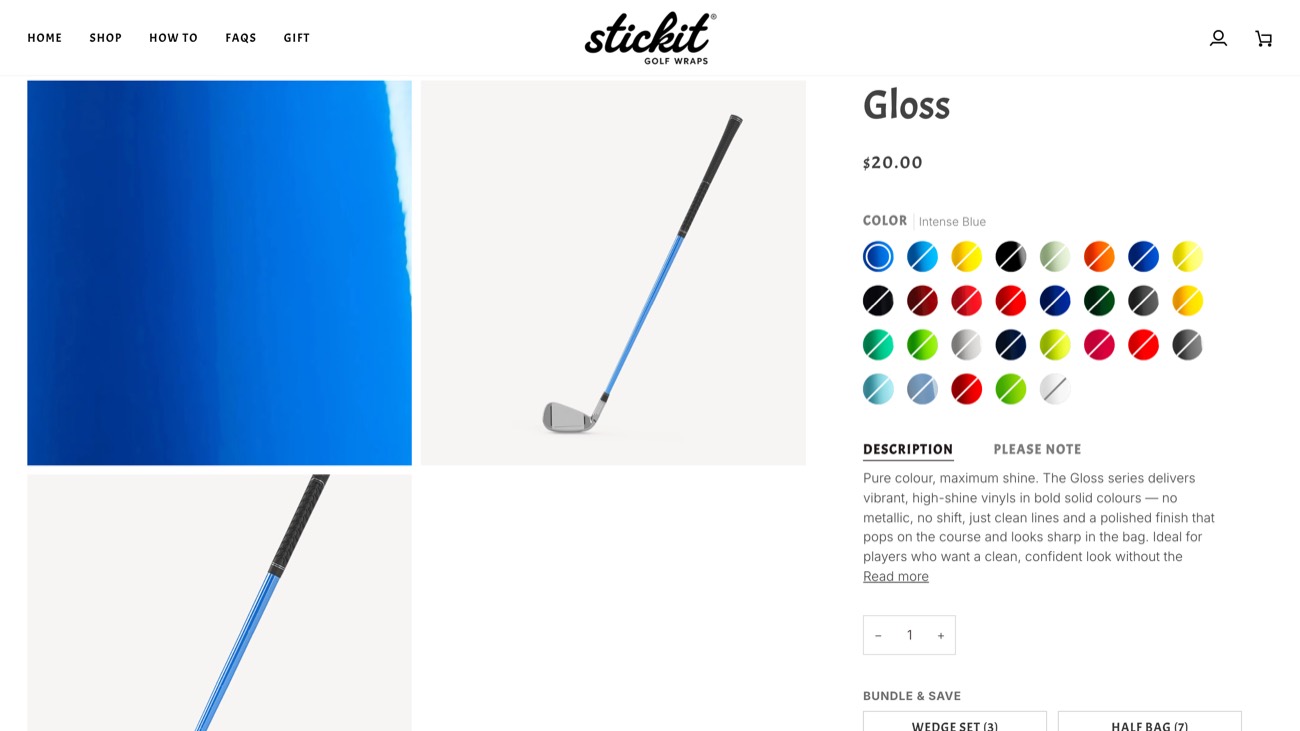
Build the store for a golf-wrap brand whose entire range is colour — twenty-nine in gloss alone, before the metallics.
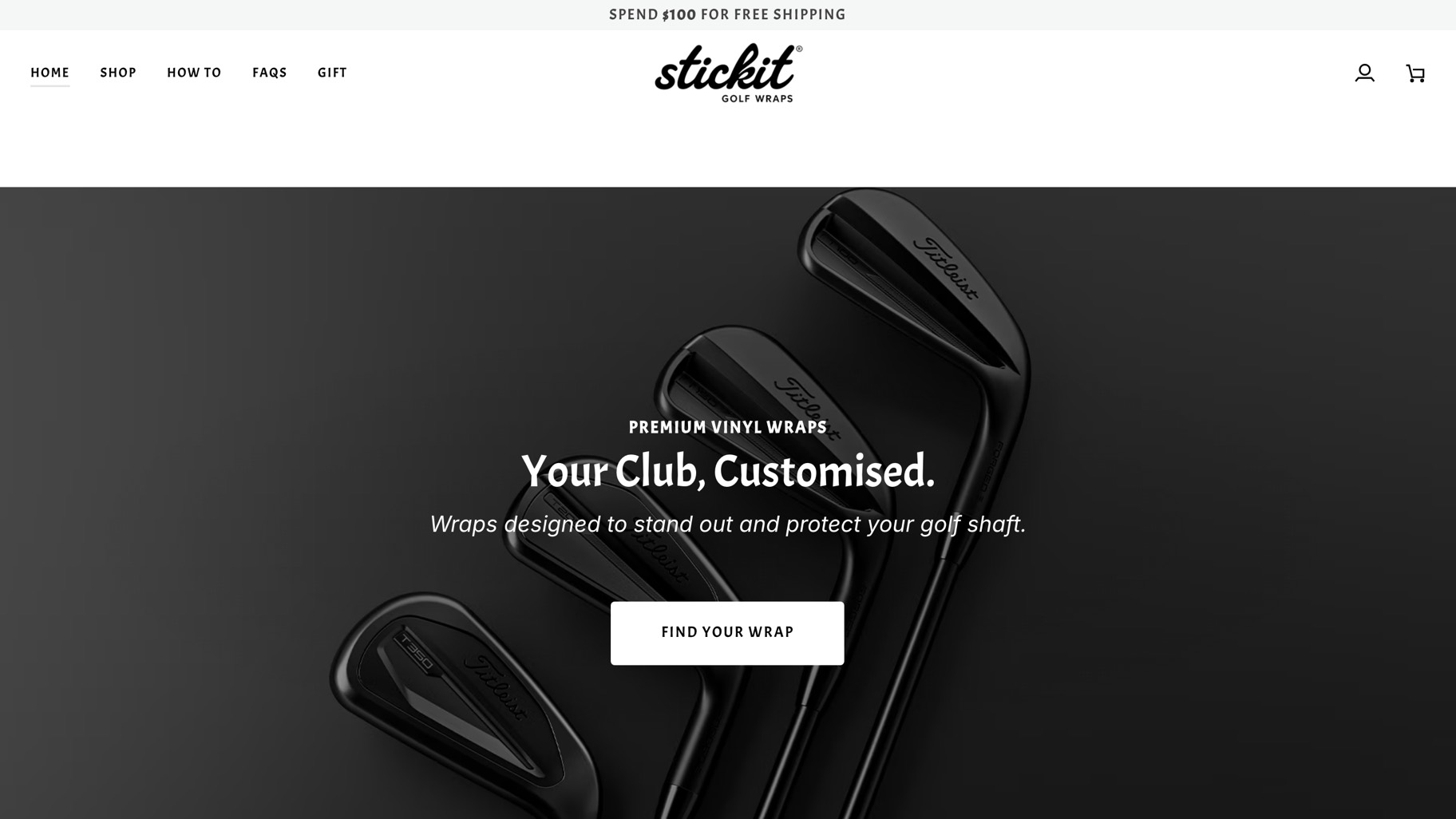
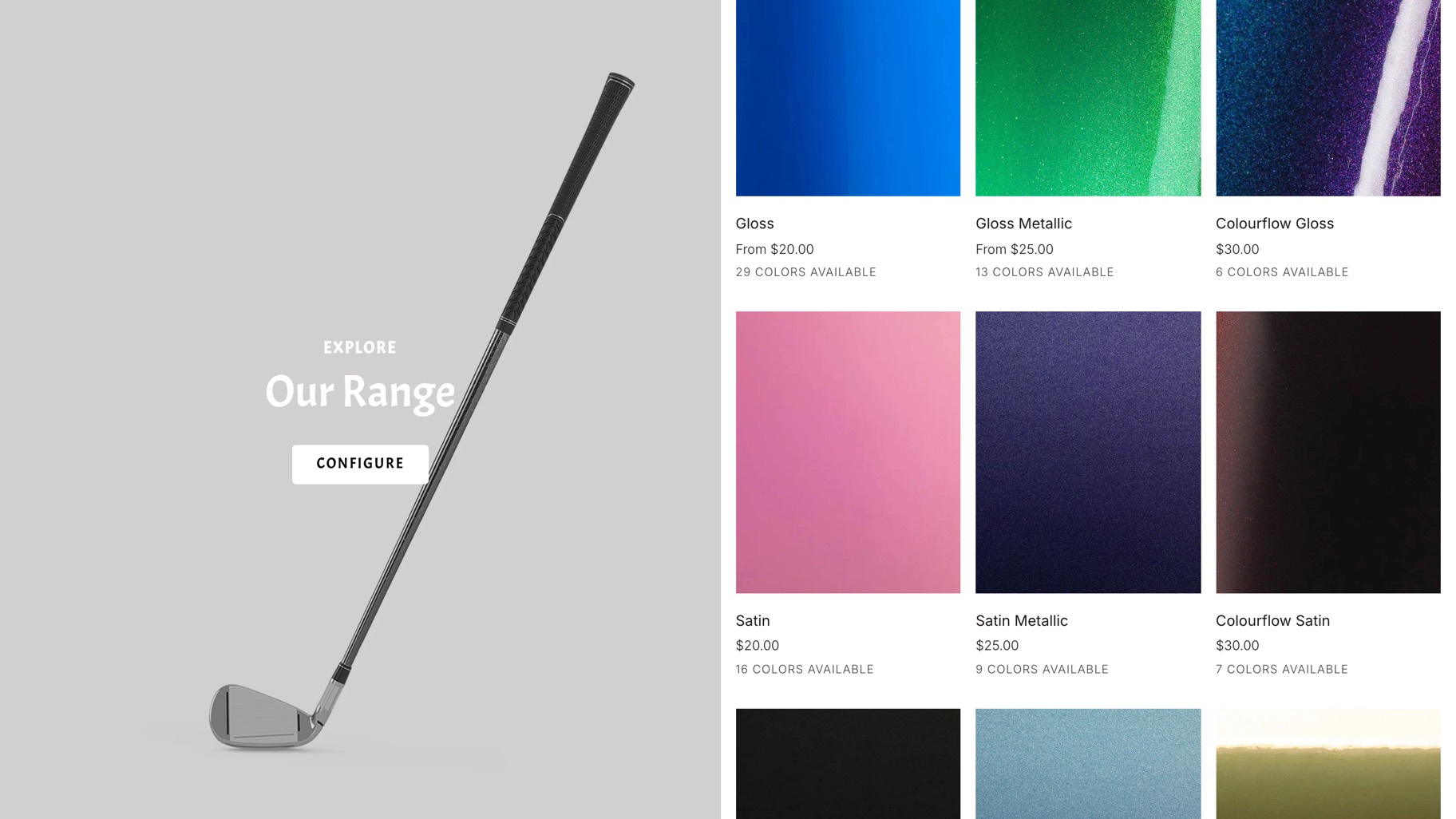
Build the store for a golf-wrap brand whose entire range is colour — twenty-nine in gloss alone, before the metallics.
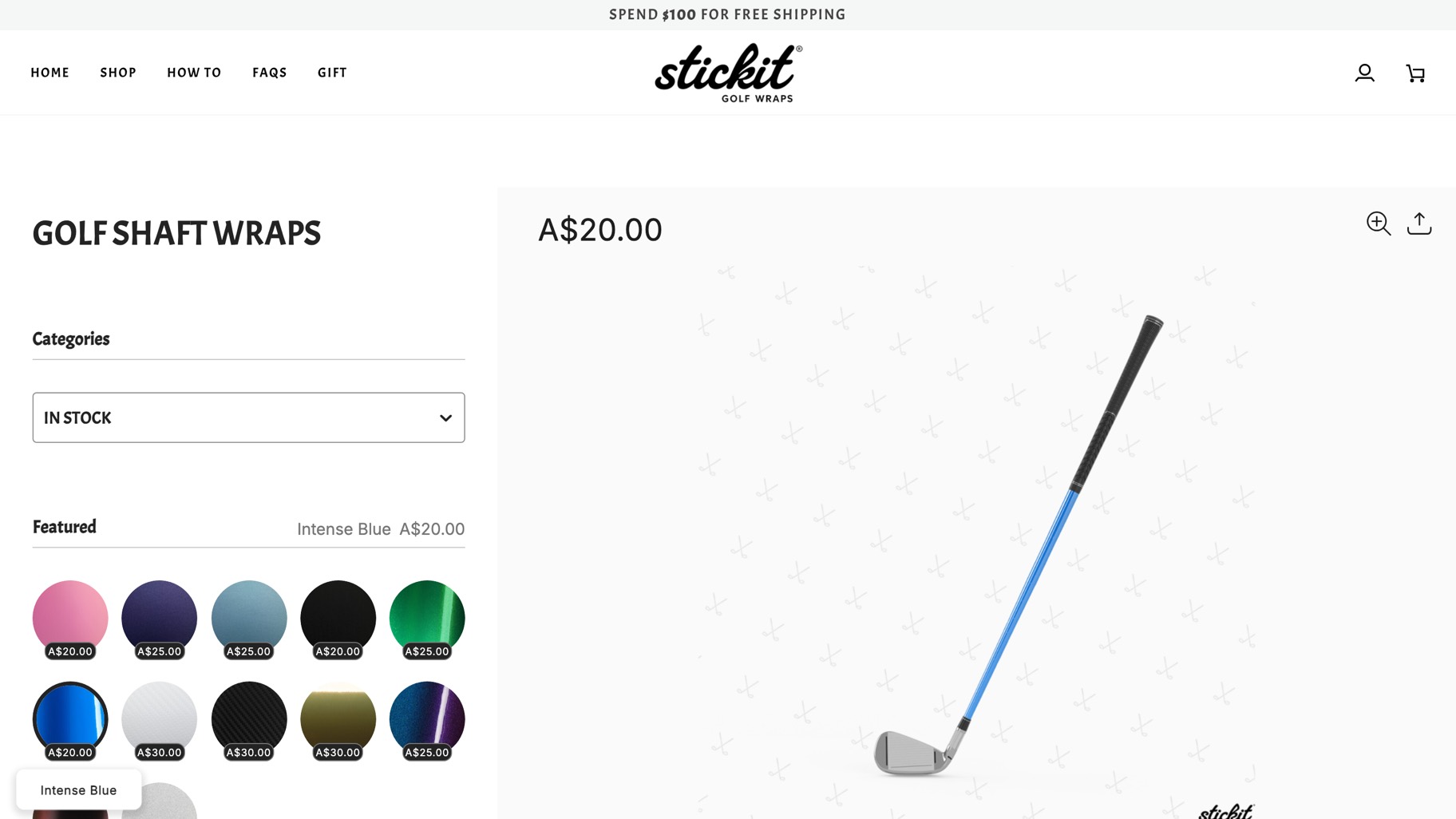
Stick It is one of ours, so the guessing is our money too. A wrap is a colour decision, and nobody makes it from a thumbnail of a vinyl swatch — the question is what it looks like on your club, not on a square. So the store leads with the configurator: pick a finish, pick a colour, and the club on screen wears it, at the price that finish actually costs.
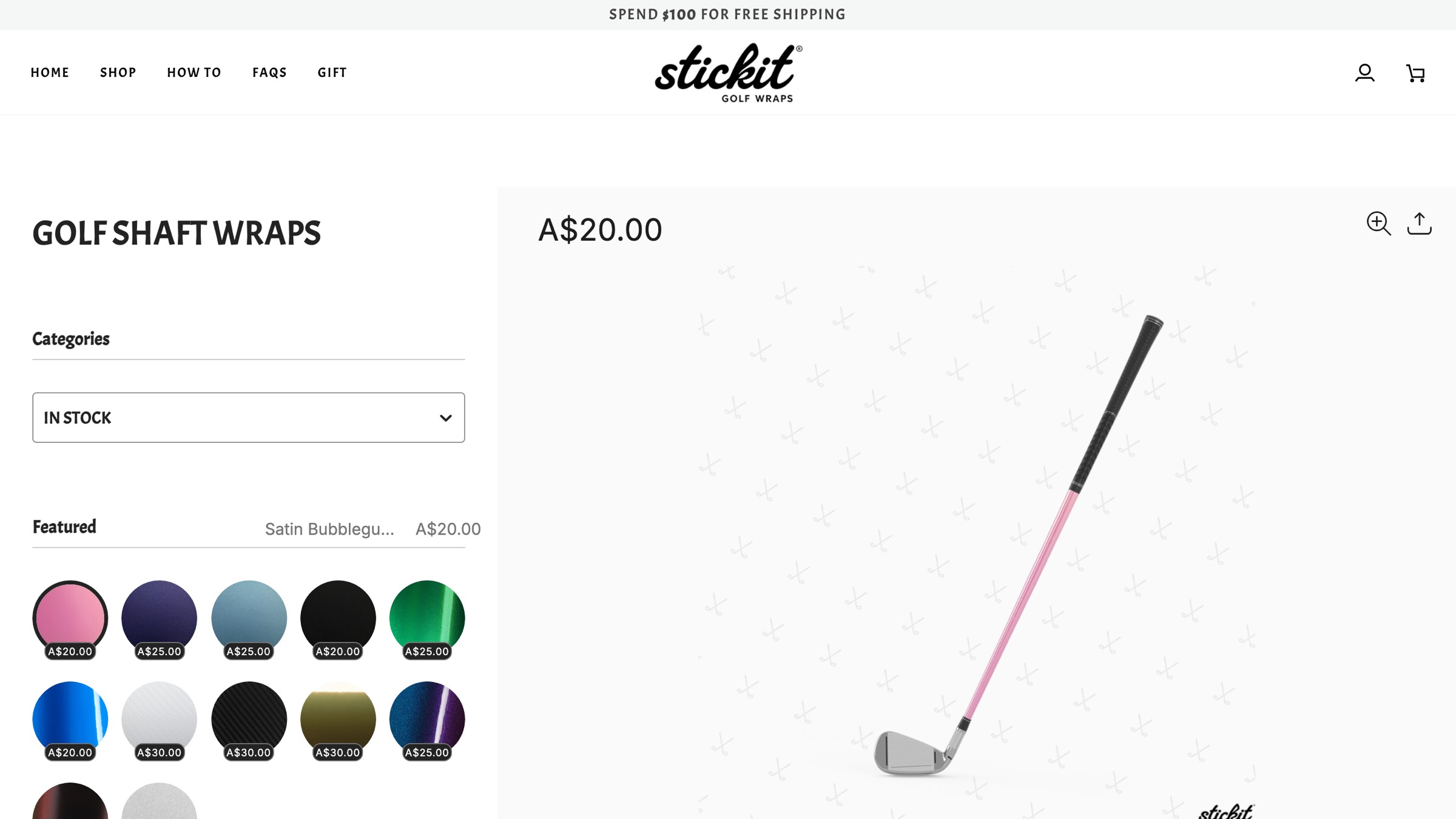
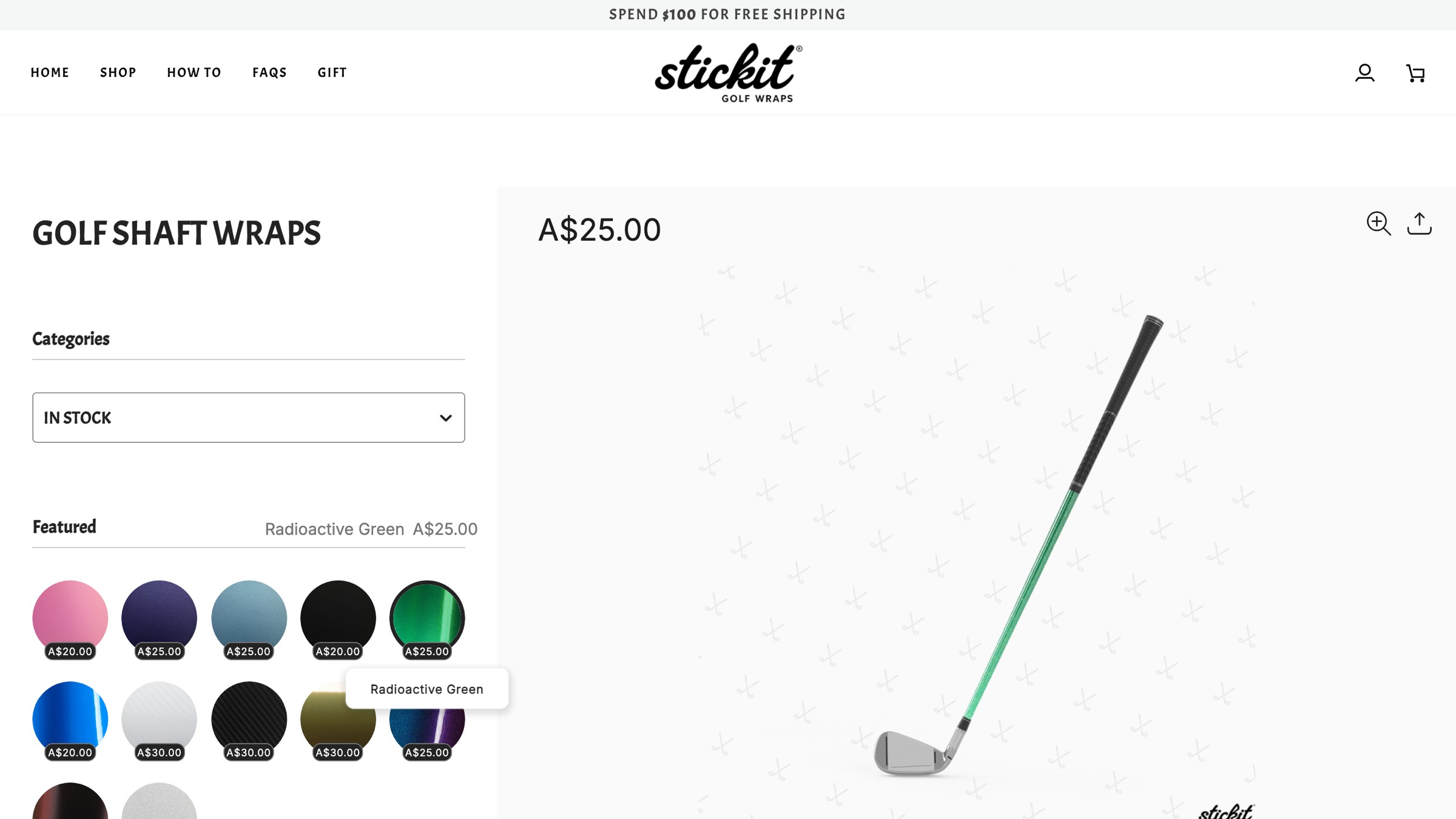
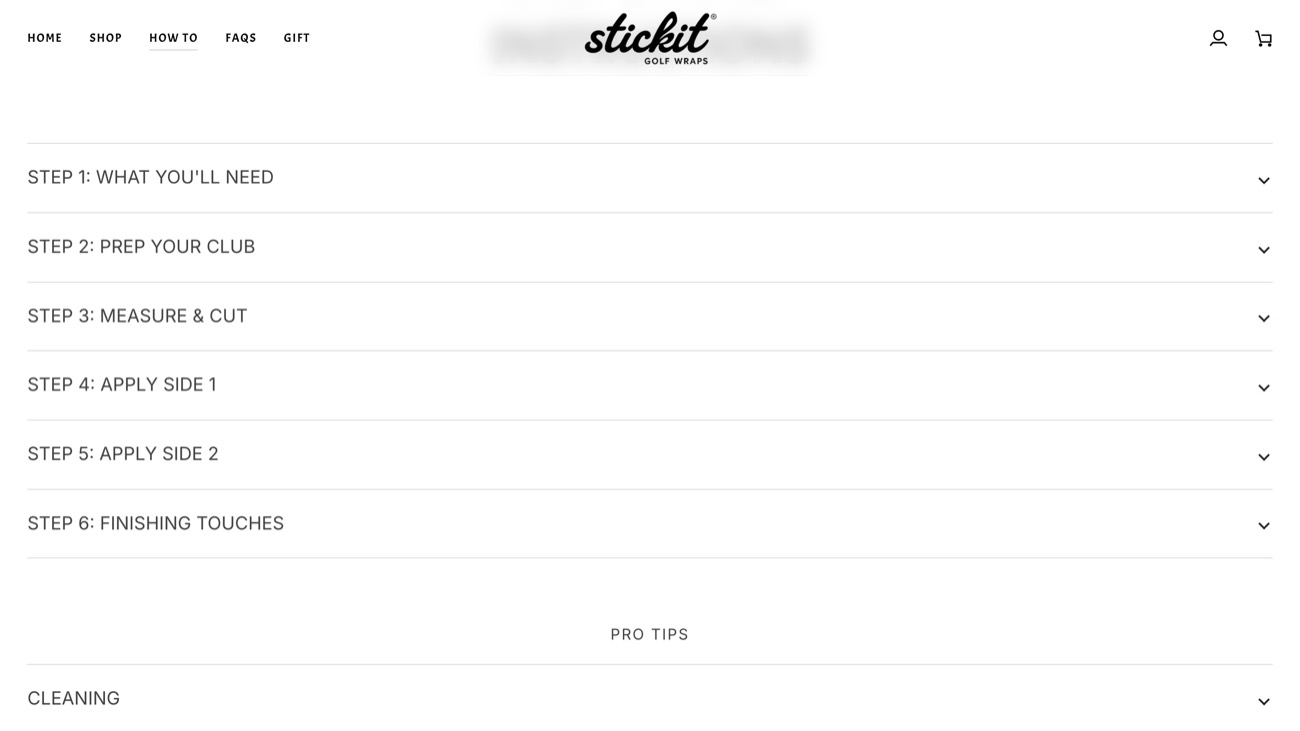
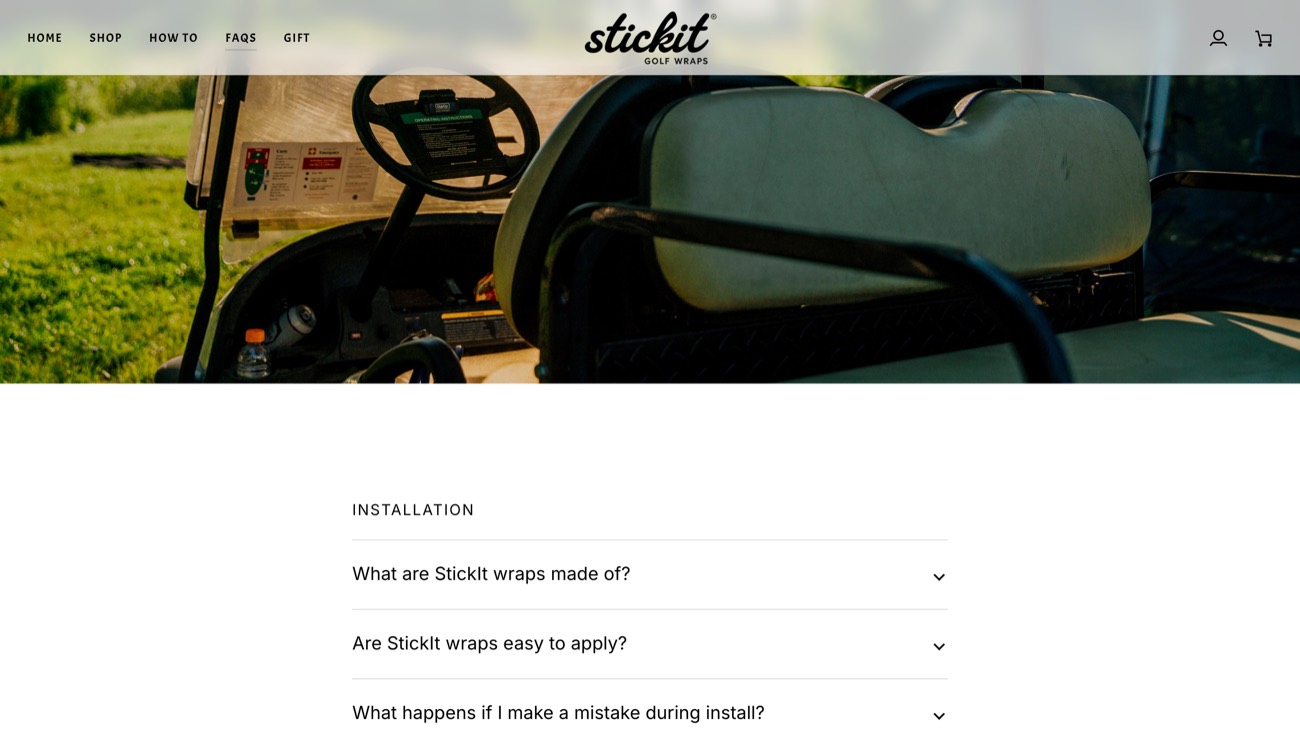
The configurator is the front door. Nobody buys a wrap they are not sure they can put on, so the store answers that on the same visit: a page per finish with every colour in it, a six-step install guide, and an FAQ that says plainly what happens if you get it wrong halfway through.
Bundle pricing sits on the product page rather than behind a separate offer — a wedge set or a half bag is two clicks from the colour you just picked, not a second decision on a second page.
And the range stays browsable without the configurator, because plenty of people already know what they want and should not have to be walked through it to buy. Same idea, different trade, on the rest of our online store work.

They built the whole store and made it look like a brand three times our size. First proper online orders came through the week it went live.
Founder
Nine of them on the work page, four of those our own companies.
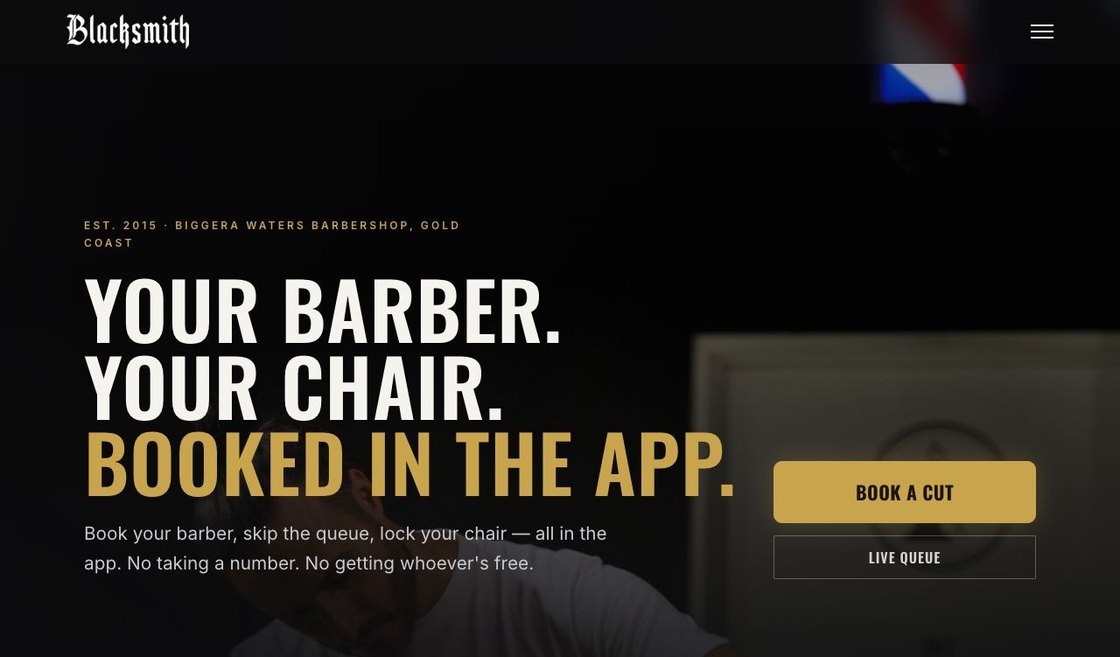
Booking, a live queue, an academy and a full shop — the whole business runs through it. Ours.
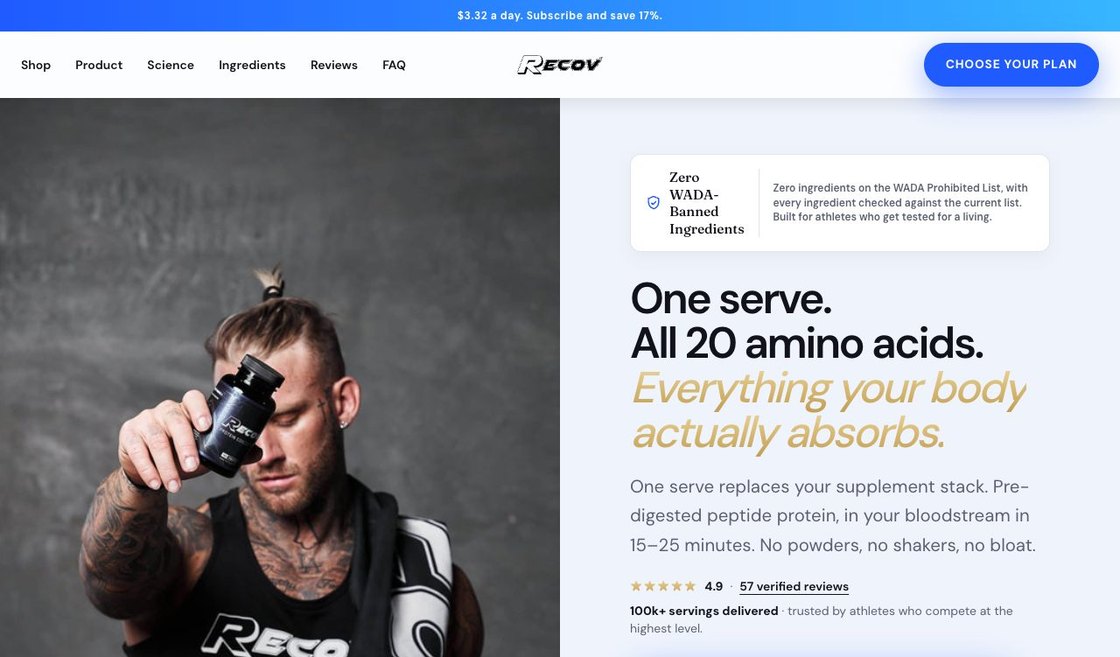
A product page that does the entire sell: ingredients, science, verified reviews and the plan picker. Ours.

Years of word of mouth with nothing to send people. Now one link closes the job. Ours.
Free 15-minute call · you talk to an owner, not a salesman · no pitch
Yes. It is one of four businesses on this site that we own and run. The store is our money and our stock, so when something on it does not sell it is our problem to fix — which is a different kind of pressure to a client invoice.
No, and we would say so either way. The configurator is an existing Shopify app. What we built is the store around it — the pages that lead into it, the finish and colour data behind it, the pricing that moves with the swatch, and the checkout on the other side. Picking the right tool that already exists is usually cheaper than writing one.
Yes, and it is a different job to a new build — same orders, same history, a new front end over the top. Rebuilds and rescues covers how that one goes.
It depends on how big the range is, which is why we quote off the actual catalogue rather than a package price. Getting that price back to you takes 24 hours.
A monthly figure agreed before launch, not a surprise. Hosting and upkeep covers the platform, the updates and the small changes that turn up once real customers are using it.